Monday, November 8, 2021

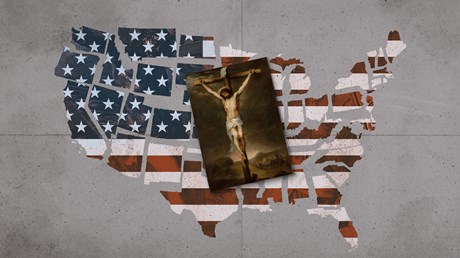
我们更需要的,是一位救世主,而不是一个国家

为了得到一个基督教的国家却把基督本身放弃是不值的。
年前,一位罗马天主教的朋友向我感叹,他不得不去一个福音派教堂听“美好的关于宝血的古旧赞美诗”。他觉得不可思议的是,一个围绕着基督的身体和血在弥撒中的真实存在而建立起来的教会,竟然如此不愿意为那血歌唱。

不过,他分享说,即使在福音派教会,也越来越难听到关于血的音乐。他说:“因为你们的教会获得了足够的成功,于是他们发现唱关于用血洗净的歌是很难听的,所以他们选用更属灵、更抽象的诗歌。但当你找到穷人和受伤的福音派时,你就会听到:力量,力量,奇迹般的大工能力,在羔羊的血里。”

他说:“我知道你们都想影响人们——但在我看来,当你们在舒适和血之间做出选择时,你们中有太多人做出了错误的选择。”

当我想到,我们中许多人对有时被称为基督教民族主义的东西感到震惊时,我经常想到那次谈话——这种主义要么是以更常见的、不那么强烈的“上帝和国家”的公民宗教形式,要么是我们看到的基督教符号是如何更明确、可怕地被蛊惑性、专制性的民族中心主义或民族主义运动利用。

是的,这贬低了教会的信誉和见证。它对《圣经》本身所谴责的东西给予一种合法性,使教会被那只能称为偶像的东西掳掠为奴仆。不过,我们经常忽略的是,这些民族主义运动所出卖的,是那血。

我们目睹的美国教会被死灰复燃的异端审判搞得四分五裂的局面,是有原因的。这些审判不太可能是关于基督教教义的基本问题——如三位一体或圣母生或身体复活——而是关于民粹主义政治的某些话题。在我们的世界里,政治不再是关于政府的哲学,而是关于身份(“全食超市对沃尔玛”)。在这样一个世界里,在民族身份和政治方面,即使是最微小的琐事,对人们来说,也远比耶稣用地里的种子、面酵怎样发起面饼或者风吹过树叶来描述的神的国度的现实更真实。

从这一点出发很容易看到,最无害的情况,是把美国看作是与上帝立约,与旧约中的以色列一样受到祝福或诅咒。或者,更糟的是,将古代以色列与其他民族间的武力分离作为种族优越的理由、无情消灭那些非我族类之人的许可,不论这种消灭是字面意义上的、还是数字化的。

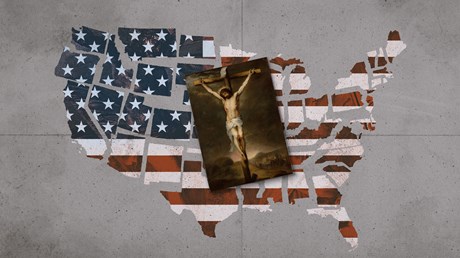
这种想法曲解了《圣经》中的救赎故事,引起一种强迫性的对《圣经》的无知,最终导致的是一种异端性的民族成功神学(national prosperity gospel)。但也许更重要的是,这些将民族国家、种族身份、党派事业甚至模糊的“价值观的复兴”与基督信仰混为一谈的做法,损害了我们对福音核心的理解:耶稣基督的十字架。

例如,在《历代志下》第7章中,神确实应许,若人民自卑、祷告,需求祂的面,祂必“医治他们的地”(第14节)。但那是在建造圣殿的时候,这是一座用牛羊的血献祭的圣殿,一座神的存在聚焦于怜悯宝座的圣殿。所有这一切——血、圣殿、怜悯宝座、祝福、诅咒——都指向基督,并在他身上得到了应验,他是上帝和人类之间唯一的中保。

如果我们不把自己看作是站在基督面前,借助于他的血肉、通过他不断的中保,我们就会找到其他东西来填补空缺,而这就包括那可糟糕透顶的“血与土”式排外运动(近代德国的种族意识形态之一——译注)。但是,如果我们把自己看作是一座圣殿,是用血赎买来的、由圣灵建造的,我们就会把那种“利用”基督教来达到其他目标的需要钉在十字架上——不管是家庭价值观、国家统一这样的崇高目标,还是本土主义或暴力这样的卑劣目标。我们不需要一个巴拉巴,或凯撒,或野兽来为我们战斗。我们需要一个为我们献上的羔羊。没有其他东西能使我们重新成为完整的人。除了耶稣的血,什么都没有。

Continue reading...


from Christianity Today Magazine https://ift.tt/3mTBbY7

我們更需要的,是一位救世主,而不是一個國家

為了得到一個基督教的國家卻把基督本身放棄是不值的。

年前,一位羅馬天主教的朋友向我感嘆,他不得不去一個福音派教堂聽“美好的關於寶血的古舊讚美詩”。他覺得不可思議的是,一個圍繞着基督的身體和血在彌撒中的真實存在而建立起來的教會,竟然如此不願意為那血歌唱。

不過,他分享說,即使在福音派教會,也越來越難聽到關於血的音樂。他說:“因為你們的教會獲得了足夠的成功,於是他們發現唱關於用血洗凈的歌是很難聽的,所以他們選用更屬靈、更抽象的詩歌。但當你找到窮人和受傷的福音派時,你就會聽到:力量,力量,奇迹般的大工能力,在羔羊的血里。”

他說:“我知道你們都想影響人們——但在我看來,當你們在舒適和血之間做出選擇時,你們中有太多人做出了錯誤的選擇。”

當我想到,我們中許多人對有時被稱為基督教民族主義的東西感到震驚時,我經常想到那次談話——這種主義要麼是以更常見的、不那麼強烈的“上帝和國家”的公民宗教形式,要麼是我們看到的基督教符號是如何更明確、可怕地被蠱惑性、專制性的民族中心主義或民族主義運動利用。

是的,這貶低了教會的信譽和見證。它對《聖經》本身所譴責的東西給予一種合法性,使教會被那隻能稱為偶像的東西擄掠為奴僕。不過,我們經常忽略的是,這些民族主義運動所出賣的,是那血。

我們目睹的美國教會被死灰復燃的異端審判搞得四分五裂的局面,是有原因的。這些審判不太可能是關於基督教教義的基本問題——如三位一體或聖母生或身體復活——而是關於民粹主義政治的某些話題。在我們的世界里,政治不再是關於政府的哲學,而是關於身份(“全食超市對沃爾瑪”)。在這樣一個世界里,在民族身份和政治方面,即使是最微小的瑣事,對人們來說,也遠比耶穌用地里的種子、面酵怎樣發起麵餅或者風吹過樹葉來描述的神的國度的現實更真實。

從這一點出發很容易看到,最無害的情況,是把美國看作是與上帝立約,與舊約中的以色列一樣受到祝福或詛咒。或者,更糟的是,將古代以色列與其他民族間的武力分離作為種族優越的理由、無情消滅那些非我族類之人的許可,不論這種消滅是字面意義上的、還是數字化的。

這種想法曲解了《聖經》中的救贖故事,引起一種強迫性的對《聖經》的無知,最終導致的是一種異端性的民族成功神學(national prosperity gospel)。但也許更重要的是,這些將民族國家、種族身份、黨派事業甚至模糊的“價值觀的復興”與基督信仰混為一談的做法,損害了我們對福音核心的理解:耶穌基督的十字架。

例如,在《歷代志下》第7章中,神確實應許,若人民自卑、禱告,需求祂的面,祂必“醫治他們的地”(第14節)。但那是在建造聖殿的時候,這是一座用牛羊的血獻祭的聖殿,一座神的存在聚焦於憐憫寶座的聖殿。所有這一切——血、聖殿、憐憫寶座、祝福、詛咒——都指向基督,並在他身上得到了應驗,他是上帝和人類之間唯一的中保。

如果我們不把自己看作是站在基督面前,藉助於他的血肉、通過他不斷的中保,我們就會找到其他東西來填補空缺,而這就包括那可糟糕透頂的“血與土”式排外運動(近代德國的種族意識形態之一——譯註)。但是,如果我們把自己看作是一座聖殿,是用血贖買來的、由聖靈建造的,我們就會把那種“利用”基督教來達到其他目標的需要釘在十字架上——不管是家庭價值觀、國家統一這樣的崇高目標,還是本土主義或暴力這樣的卑劣目標。我們不需要一個巴拉巴,或凱撒,或野獸來為我們戰鬥。我們需要一個為我們獻上的羔羊。沒有其他東西能使我們重新成為完整的人。除了耶穌的血,什麼都沒有。

Continue reading...


from Christianity Today Magazine https://ift.tt/3083KbT

Friday, November 5, 2021

Southern and Asbury Seminaries Sue Over Biden Vaccine Mandate

The largest Baptist and Methodist schools are among the first to challenge the requirements for employees as unauthorized and unconstitutional.

The Southern Baptist Theological Seminary and Asbury Theological Seminary are among the first major Christian institutions to legally challenge COVID-19 vaccine requirements issued by the Biden administration.

The two Kentucky schools, representing the largest seminaries in the Southern Baptist and Methodist traditions, filed a petition Friday against a policy mandating employers with 100 or more workers require COVID-19 vaccination or weekly testing, which President Joe Biden announced the day before.

“This seminary must not be forced to stand in for the government in investigating the private health decisions of our faculty and employees in a matter involving legitimate religious concerns,” said Albert Mohler, president of Southern Seminary in Louisville. “We are glad to join with Asbury Theological Seminary in taking a stand against government coercion.”

According to the rules issued Thursday, private-sector employers with 100 or more workers must require COVID-19 vaccination or weekly testing. These requirements will take effect January 4 under an emergency temporary standard from the Occupational Safety and Health Administration (OSHA).

Several states with Republican governors have also vowed to challenge the OSHA regulations in court, calling them an unconstitutional power grab by the federal government.

“The Biden administration’s decision to mandate vaccines through an OSHA emergency rule is unlawful and compels employers like our clients to intrude on their employees’ personal health decisions and divert resources from their important mission of training future ministers,” said Ryan Bangert, senior counsel with the Alliance Defending Freedom, which is representing the two ...

Continue reading...


from Christianity Today Magazine https://ift.tt/3o53Wk0

Prohibition: A Movement of Prudish Killjoys or Righteous Revolutionaries?

A new book reenvisions temperance as a global struggle on behalf of the oppressed and exploited.

Now that cool pastors drink craft beer, American Protestants’ erstwhile obsession with banning booze can seem downright weird. Or maybe just quaint? Was the nation’s brief experiment with Prohibition an instance of no-fun church folks run amok, one of the last gasps of an overweening Puritan superego?

That’s what the true villains of the story would want you to think, or so Mark Lawrence Schrad argues in his new book, Smashing the Liquor Machine: A Global History of Prohibition. Taking aim at the widespread perception that temperance movements were all about “moralizing ‘thou shalt nots,’” he proclaims that they were, on the contrary, “a progressive shield for marginalized, suffering, and oppressed peoples to defend themselves from further exploitation.”

Crucially, in Schrad’s telling, prohibition was never about raining on the individual drinker’s parade. Rather, it was a tactic to combat predatory liquor traffickers and the empires that benefited from their nefarious work. It is only because the capitalists and imperialists so often prevailed in these struggles, Schrad suggests, that we remember temperance activists as prudish killjoys rather than righteous revolutionaries.

Resisting ‘alco-subjugation’

United States historians have tended to reinforce such misconceptions, Schrad contends, because they have usually failed to view American temperance movements in wider world context. To be sure, this is not easy to do. For Schrad it meant tracking down leads in 70 different archives housed in 17 different countries and strewn across five continents. But the payoff of that hard work is tremendous: a story that is, as the subtitle promises, truly global. ...

Continue reading...


from Christianity Today Magazine https://ift.tt/3ELt5qM

As Students Rally for Victims, Liberty Board Considers Outside Audit

The Justice for Janes movement has brought forth allegations of mishandled abuse cases and coverup and challenged the university to improve its response.

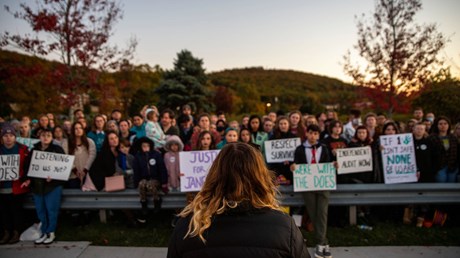
Liberty University students and alumni are praying and protesting in solidarity with survivors of sexual assault as they call on the school’s board of trustees to authorize an independent investigation into its response to reports of abuse.

On Thursday evening, more than 100 people gathered behind a barrier along a traffic circle on campus—Lynchburg’s fall foliage aglow behind them—to hear from victims’ advocate Rachael Denhollander; former Liberty professor Karen Swallow Prior; and representatives of “Justice for Janes,” named for the Jane Does who have come forward with claims that their abuse cases were mishandled by Liberty.

They wore teal clothing and ribbons and held signs reading “We’re with the Does” and “Independent Audit Now.” Students plan to continue to rally on campus Friday afternoon.

With momentum around the movement and coverage of Liberty building for months, advocates have seen some signs of hope this week. The school announced plans to install surveillance cameras and blue-light call boxes on campus and may be moving toward an outside audit of the school’s Title IX and human resources offices.

“While Justice for Janes is grateful for the steps being taken, we understand that there is way more to be done,” Liberty senior and Justice for Janes founder Daniel Harris told the Liberty Champion. “That investigation needs to happen.”

After students struggled to secure university permission to hold Thursday night’s event on campus, interim president Jerry Prevo ended up attending and spoke with organizers and the media.

During a press ...

Continue reading...


from Christianity Today Magazine https://ift.tt/3k9vfZi

Thursday, November 4, 2021

November’s Holy Week: A Modest Proposal for the Persecuted

From All Saints’ Day to the International Day of Prayer, let’s honor beleaguered believers by following three rules in advocating for religious freedom for all.

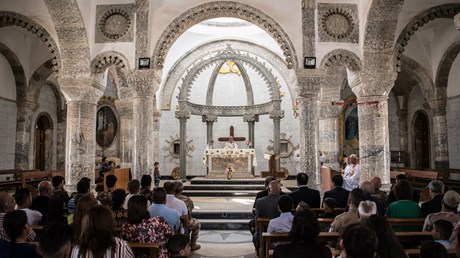
Two observances this week—All Saints' Day on November 1 and the International Day of Prayer for the Persecuted Church (IDOP) on November 7—represent a new kind of holy week. Together they provide an opportunity to remember our Christian brothers and sisters suffering for their faith overseas.

Followers of Christ living abroad face extreme circumstances in many places, as well as slow-rolling repression grinding the faithful down. These days provide an opportunity to pause in remembrance, to commit to advocating for their rights, and to honor their sacrifice by helping others persecuted for their different beliefs. (In the sidebar below, I offer three rules to follow.)

Christians are under regular physical assault. An alarming trend is terrorist violence targeting Christians, which—based on my diplomatic work over two decades—I believe represents the biggest challenge to the church globally.

Groups like the Taliban, ISIS, and Al Qaeda all have Christian blood on their hands. In ungoverned or under-governed countries, churches thrive but terrorists can also strike with impunity. Motives vary—including animosity towards Christianity, jealously of resources, pure criminality, or all of the above—but regardless, fear hangs over entire communities.

For instance, Boko Haram’s violence in Nigeria against Christians stands out due to its severity and the size of the Christian population it victimizes. Boko Haram has burned churches, murdered pastors, and destroyed towns. In addition, Christian girls in Nigeria face physical and spiritual rape when kidnapped, forcibly converted, and married, such as Leah Sharibu.

Of course, governments also still persecute. Communist China is the largest persecutor ...

Continue reading...


from Christianity Today Magazine https://ift.tt/3mMvGL4

The Pro-Life Cause Is Now a Lower Priority for Christians. That’s Bad News for Everybody.

Human dignity is not an earned right but a signpost to God.

In less than a month, the Supreme Court will take up arguments on a Mississippi case that could conceivably spell the end of Roe v. Wade, which legalized abortion as a constitutional right. At the same time, the justices sent signals that they were perhaps dubious of a recent Texas law that sought to restrict abortion through civil liability measures.

For the first time in a while, it seems that abortion is at the forefront of conversation in the United States. And yet, some surveys suggest that abortion is not the motivating factor for evangelicals that it once was.

Those who disagree with me on abortion may feel it is good news that evangelicals are lessening their priority on the pro-life issue—thinking perhaps that a cooling down in the culture wars might lead to a less polarized America. But such people would be wrong. As a matter of fact, if this trend continues, it could be bad news for everybody.

Political scientist Ryan Burge collected polling data this summer from the Public Religion Research Institute (PRRI) and compared that with recent data gathered from the Association of Religion Data Archives. The poll asked respondents how they would rank their relative priority on various sociopolitical issues. Burge noted that, over time, the abortion issue has decreased in priority among white evangelicals and other issues, like immigration, have increased.

Most of this data was aggregated before critical race theory and COVID-19 dominated the public square. But many pollsters and activists say they see far more energy spent discussing race, masks, vaccines, and other topics. Abortion is low on the list.

Some argue that this has always been the case. For example, in his book Bad Faith: Race and the Rise of the Religious ...

Continue reading...


from Christianity Today Magazine https://ift.tt/3mK1zUo